

Something Has To Change in Minnesota…But What?
By James Williams
Over the last few weeks, multiple United States citizens have been executed by federal agents, including Renee Good, who was shot by ICE agents, and Alex Pretti, who was reportedly shot by a Customs and Border Patrol agent while apparently being physically restrained.
As a Minnesotan, it isn’t surprising to me that these killings, while perpetrated by federal agents, have taken place in Minneapolis, where multiple unarmed people have lost their lives at the hands of law enforcement. After the murder of George Floyd in May 2020, the Minneapolis Police Department (MPD) entered into a consent agreement with the US Department of Justice that imposed meaningful reforms on what was considered by many locals to be a broken police department, filled with “bad apples”.
This agreement, which was signed off on by city, state and federal officials, was officially rejected by a federal judge in May 2025, after the Trump administration took office. To the credit of the City of Minneapolis, on June 10, 2025, Mayor Jacob Frey signed Executive Order 2025-01. This confirms the City’s commitment to implement the reforms outlined in the proposed federal consent decree, notwithstanding the decision of the DOJ to no longer enforce the agreement at a federal level.
Over the last couple of weeks, I have been thinking about why this keeps happening in Minneapolis, and what can be done to stop another civilian from unnecessarily losing their life at the hands of law enforcement.
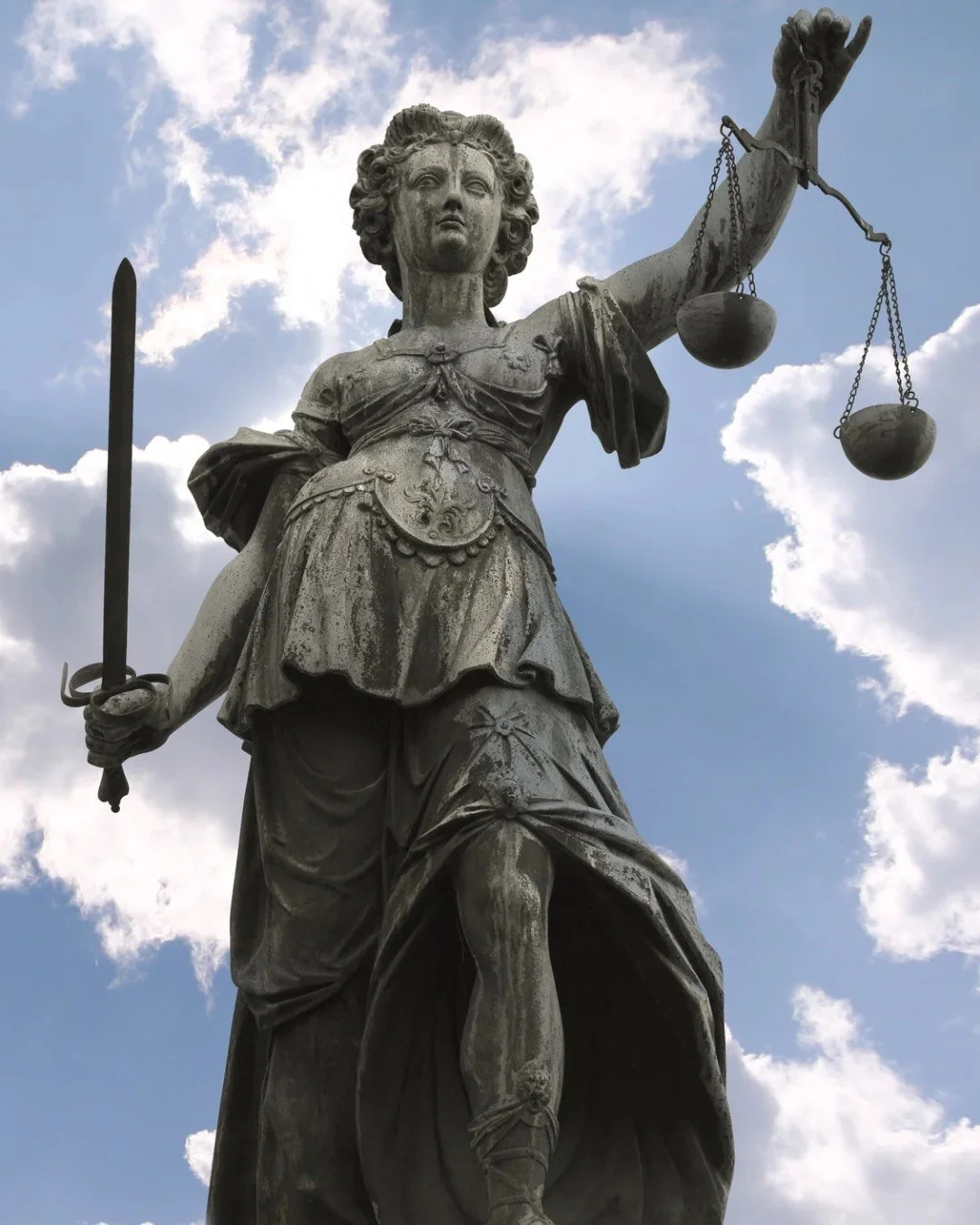
First, we need accountability for the crimes that have already been committed. Just naming and shaming no longer works; those members of law enforcement need to be held legally accountable for their actions or else this lawlessness we have on the streets will continue. Legal accountability will serve as a necessary deterrent nationwide to deter officers from committing brazen acts of misconduct.
Second, all law enforcement officers, from local city police to the FB, should be formally trained to adhere to the guidelines of the consent agreement between the MPD and DOJ. Among the policies and procedures that this consent agreement included were using de-escalation to minimize the need to use force and increase the likelihood of voluntary compliance, respect the First Amendment rights of all persons, and providing confidential mental health wellness services to all MPD officers and other groups of public safety personnel.
While these reforms are a good start, they aren’t enough, and it isn’t enough for just one police department to adopt them; we need comprehensive law enforcement reform.
At Project 2029, volunteers from all over the country are working on policies to restore democracy and ensure fairness, dignity and justice for all. I joined Project 2029 because I want real solutions to our country’s problems, not press releases and clever social media posts that never change anything.