

This is the first installment of a three-part blog.
By Alice Bond
They called them "mega centers."
It all started in 2025 with big wads of federal budget money. Historic money.
In fact, it was your money.
The One Big Beautiful Bill Act (OBBBA), signed by President Trump on July 4, 2025, gave Immigration and Customs Enforcement (ICE) alone $75 billion — seven times its annual budget — as part of a broader $170.7 billion appropriation for immigration and border enforcement, according to NPR and the American Immigration Council.
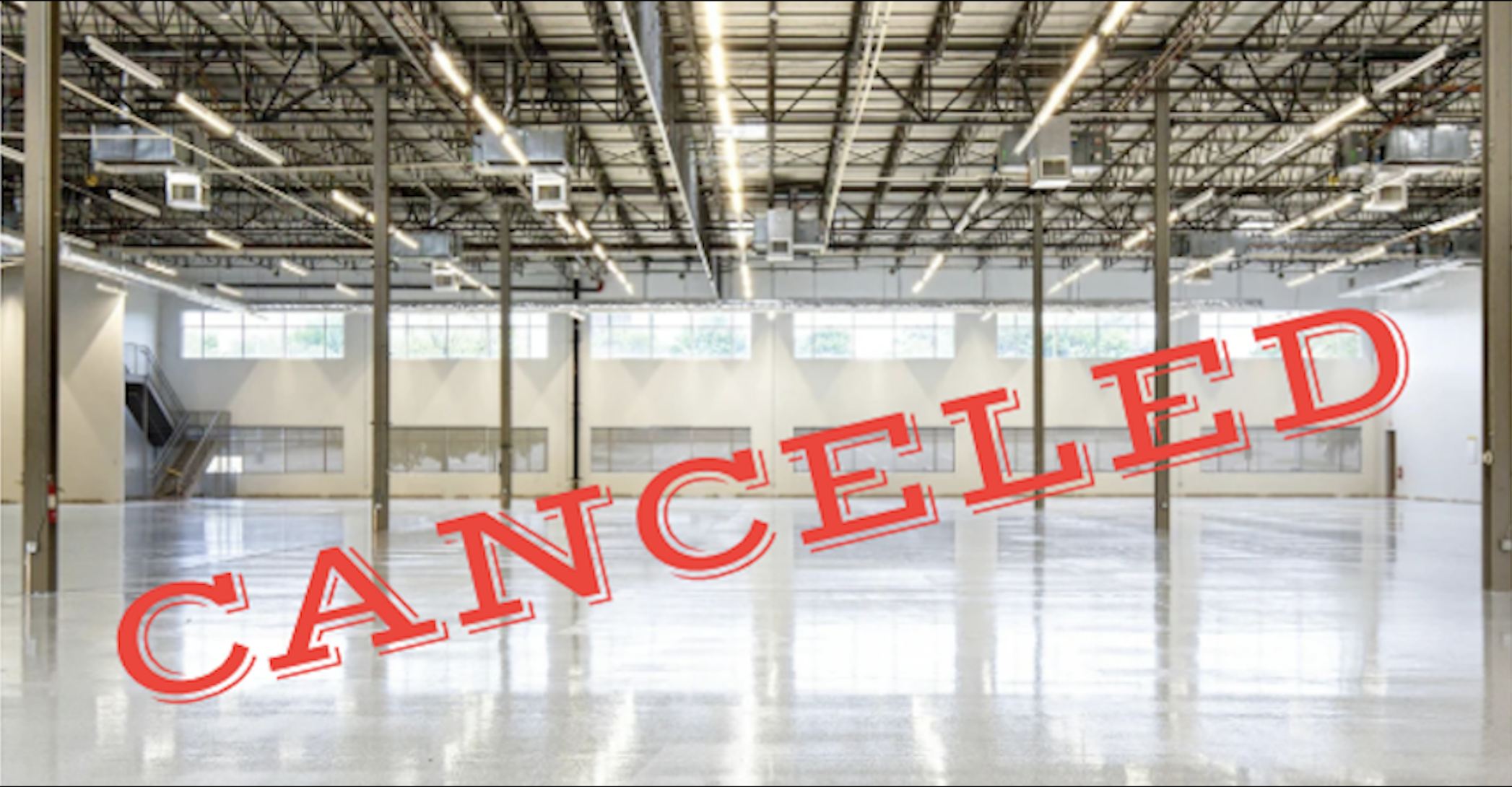
By early 2026, DHS and ICE had begun quietly buying up warehouses, according to “The Washington Post,” eventually purchasing 11 for a combined $1.074 billion, according to “Spotlight PA”. This juggernaut was to be a showpiece for the efficiency of the national immigration detention and deportation program. But it became something else entirely.
ICE's own Detention Re-engineering Initiative described the system as a hub-and-spoke model, as reported by “Spotlight PA.”
The plan was to develop a $45 billion feeder system of DHS-owned warehouses run by ICE and private contractors. Detainees filling up smaller processing centers would flow into larger detention facilities.
Then-Acting ICE Director Todd Lyons captured the vision plainly. The “Arizona Mirror” reported that at the 2025 Border Security Expo in Phoenix, Lyons said agents needed to treat deportation "like [Amazon] Prime, but with human beings.”
Rights of those detained
These human beings are protected by the U.S. Constitution. As Luke Sassa, deputy policy chief of Project 2029, a national grassroots movement building actionable policy for the future, points out: "The Eighth Amendment explicitly protects against cruel and unusual punishment for all people present in the United States, not just citizens. Forcibly removing people from their families and placing them inside brutal detainment environments for an undefined amount of time, while their situation is in limbo, would certainly seem to be cruel and unusual to me."
Still, the plan was enacted. According to the real-estate data provider CoStar Group, the independent online “Project Salt Box,” county property deeds, and reporting by “The New York Times,” NBC 10 Philadelphia, Bloomberg, and NPR, the 11 facilities totaled nearly 8 million square feet of space. The warehouses provided a holding capacity for approximately 46,000 to 53,000 people — and all acquired within the same intensely compressed time frame.
Yet, despite the aggressive scale of this detention system, as of this writing, not one detainee has ever crossed the threshold of these buildings.
