

Time to Stop Muzzling Public School Teachers
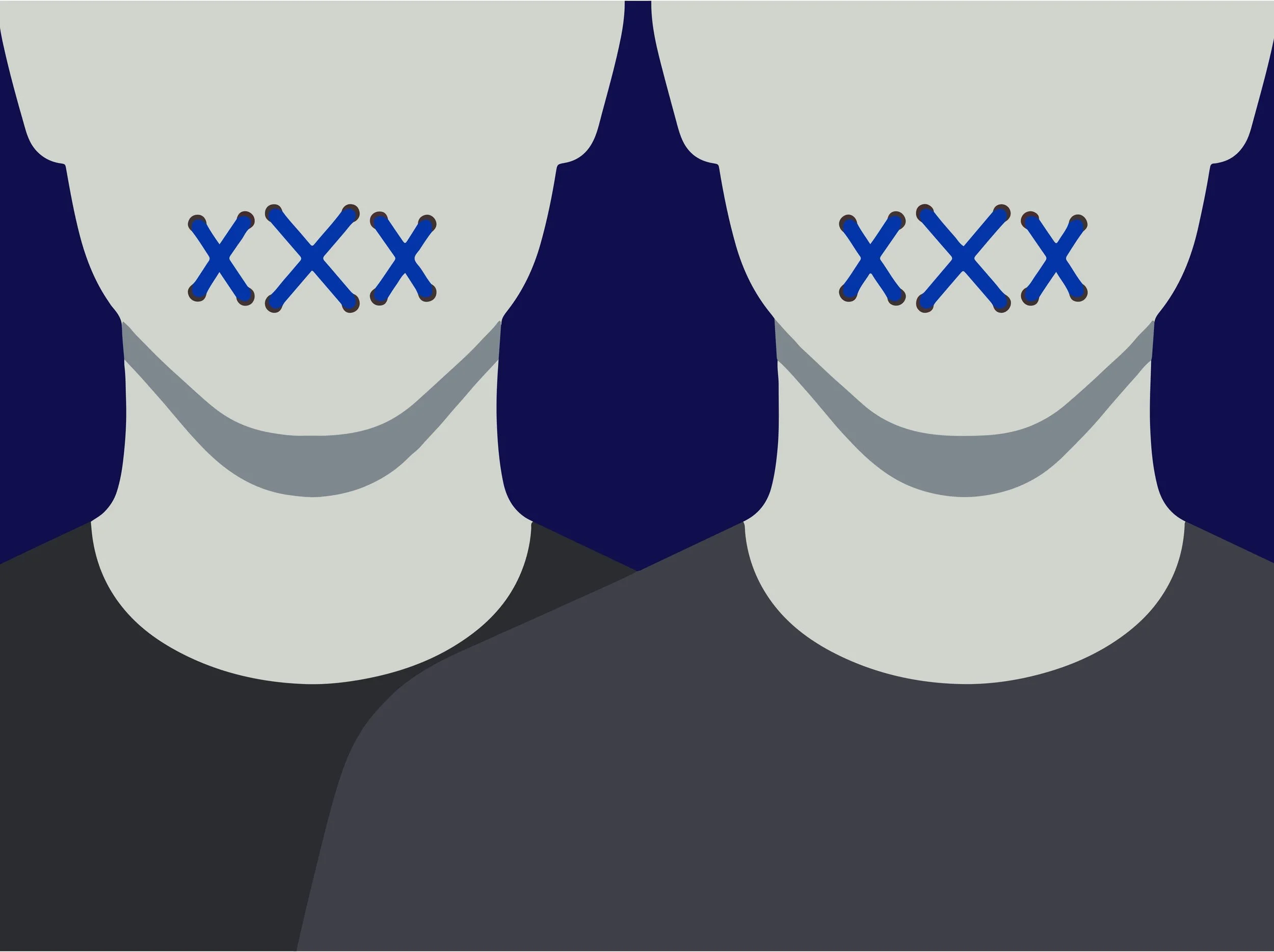
Illustration: alghozy on Unsplash
For Students’ Sakes, We Have to Stop Muzzling Teachers
Jo-Ann Johnston and Christopher Hart
It’s back-to-school season for children enrolled in public schools, but with a special twist this fall. With midterm elections only weeks away, it is a peak year for cultural and political disagreements over K-12 education.
Increasingly, our public school communities, classrooms, and teachers have become subject to restrictions over discussions of race, gender, and sexual orientation. In fact, since 2021, 44 states have introduced bills limiting discussions of these topics in classrooms, but sometimes with language so intentionally vague that people could accidentally run afoul of the new norms.
For instance, in 2023 a South Carolina high school teacher began using the modern memoir “Between the World and Me” by Ta-Nehisi Coates in her advanced English class for lessons on conducting research, noting sources, and weighing the strengths of arguments. In the 2015 book, Coates explains to his son what it was like to grow up Black in America. The district ordered the teacher to stop using the book because of a state budget provision forbidding subject matter on race and history.(1)
Factors beyond broad wording in state legal language can increase educators’ sense of unease as well. Those might be a politically-charged local school board climate or the unexpected dismantling of some programs at work.
Consequently, teachers report that they now practice self-censorship and consider their work environments hostile. In plainer terms, staff worry they could become targets of rancor, criticism, and misrepresentation. Even job loss is a concern. (Similarly conceived campaigns have targeted librarians and museums, too.)
We do still have reason to believe there are parents and citizens who support the teachers’ work, the students’ rights to learn,(2) and the common goal of equipping students with the skills they need to navigate and shape their workplaces, communities, and society. (A tip sheet is available from the nonprofit literary organization PEN America for people who need to confront conditions on the ground right away.)
But structural changes will be needed to improve conditions and results. Research also tells us that even in states where no curricular restrictions have been passed, chilling classroom effects are reported. Consequences don’t have to be outright firing. Teachers are afraid of criticism from parents, school board members, and of receiving poor job-performance evaluations.
And, so:
Teachers are forced to limit discussions of historical facts.
Relevant materials are being removed from the curriculum.
Students are being deprived of the knowledge needed to help them understand history and the current world.
Constitutional protection for teacher speech has significantly diminished.
Teacher and researcher Christopher Hart(2) has crafted a policy response for us to address these harms effectively. Steps can be taken as soon as a new presidential administration is inaugurated in 2029. The response uses a three-part approach employing civil rights laws, anti-discrimination protections, and fiscal oversight.
It will protect the civil rights of educators and students while preserving the integrity of public education.
Notes
1. Bowers, Paul. (2023, Aug. 8). News and Commentary: “Meet Mary Wood, a teacher resisting censorship.” ACLU South Carolina. Retrieved from https://www.aclusc.org/news/meet-mary-wood-teacher-resisting-censorship/
2. Alleye, Akillah. (2022, Sept. 19). Report: “Book Banning, Curriculum Restrictions, and the Politicization of U.S. Schools.” Center for American Progress. Retrieved from https://www.americanprogress.org/article/book-banning-curriculum-restrictions-and-the-politicization-of-u-s-schools/
3. Author’s LinkedIn profile: https://www.linkedin.com/in/christopher-hart-3033361b0/
